Walking into a job interview is tough enough, but what you wear can seriously boost your confidence and help you nail that first impression. Your outfit really does say a lot about how serious you are and how well you might fit with the company’s vibe.
Choosing what to wear doesn’t have to be confusing once you know what matters. Sometimes it’s just about paying attention to details and trusting your gut.
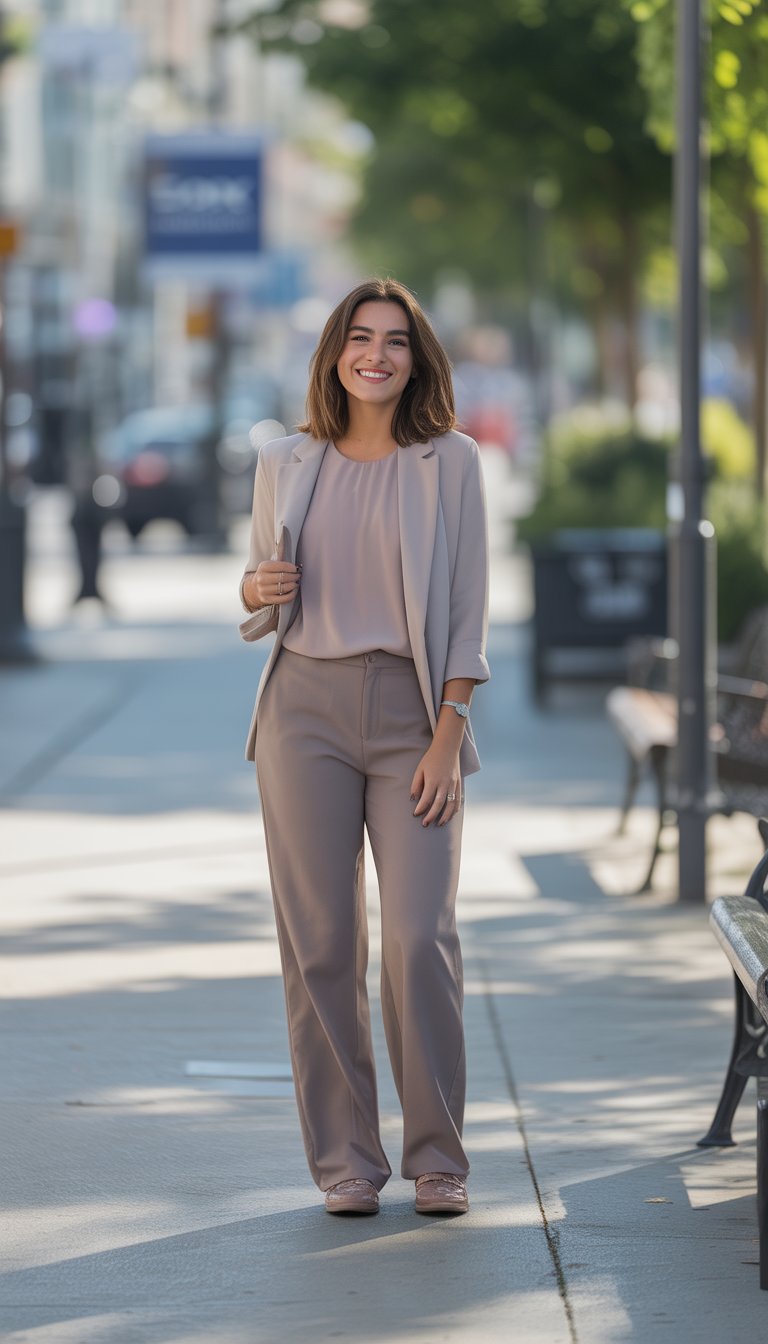
Matching your clothes to both the job and the industry, while staying comfy and professional, is key. Maybe the interview calls for a formal suit, or maybe a smart casual look will do the trick—either way, your goal is to look polished and show you respect the opportunity.
Simple choices like the right colors, shoes, and accessories can help you stand out for all the right reasons. It’s those small things that often get noticed.
This guide will walk you through how to pick the perfect outfit and sidestep common mistakes. You’ll find tips that make dressing for success a whole lot less stressful, no matter the role you’re after.
Key Takeaways
- Dress to match the company and job while staying comfortable.
- Small details like color and accessories make a big difference.
- Avoid common outfit mistakes to feel confident and professional.
Why Interview Attire Matters for Women
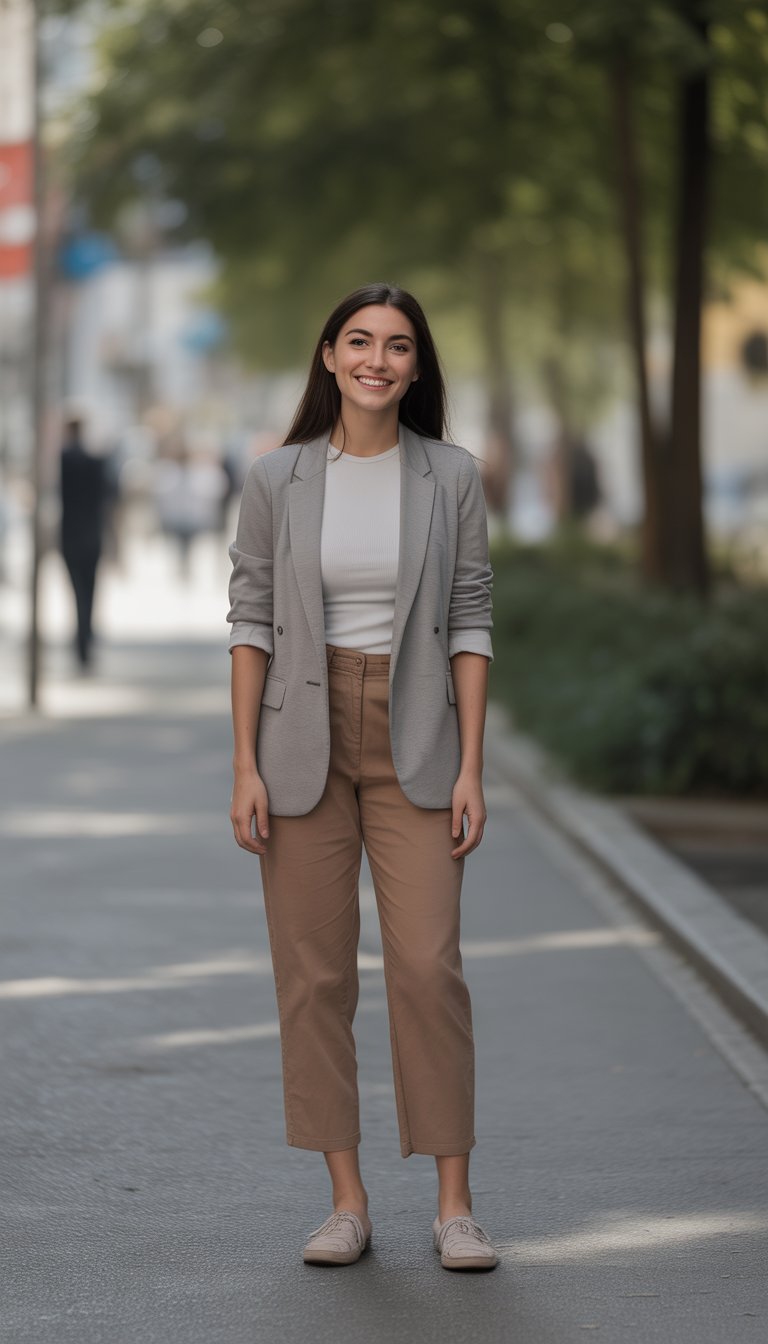
Picking the right interview attire affects how employers see you—and how you feel about yourself in the moment. It shapes your first impression, boosts your confidence, and shows that you get the company’s style and values.
First Impressions in the Hiring Process
Your job interview outfit is usually the first thing a hiring manager notices. Dressing in professional attire helps you look put together and shows you’re taking the opportunity seriously.
A neat, well-fitting outfit signals respect for the interview and readiness for a professional environment. For instance, a blazer with tailored pants or a conservative dress communicates professionalism fast.
Even the little things—clean shoes, minimal accessories—matter more than you might think. These details add up and help set the tone for the rest of your interview.
Building Confidence Through Clothing
The right interview clothes really can make you feel more confident. When you know you look professional, you’re just more likely to walk in with a positive attitude.
Your outfit should feel comfortable but still look polished. Comfort helps you focus on what you’re saying, not on how your clothes feel.
Pick colors and styles that make you feel good, but keep them appropriate. Skip distracting patterns or anything too wild. Confidence isn’t just about your skills—it’s also about how you carry yourself in your outfit.
Aligning With Company Culture
Understanding the company culture helps you choose clothes that fit in. Some places expect formal business attire, while others lean more toward business casual or even creative looks.
Do some research before your interview. Check the company’s website, their socials, or ask contacts what people usually wear. Then pick something that matches that vibe—don’t go too casual or too flashy.
If you’re interviewing at a finance firm, a classic suit is probably your best bet. For a tech startup, business casual might be just right. Matching your outfit to the company’s culture shows you’re thoughtful and that you get what they’re about.
Understanding Interview Dress Codes
Knowing the right dress code for your interview helps you feel confident and look sharp. Every workplace has its own expectations for formality, so your outfit should fit the company’s style and culture.
Business Formal: Classic Corporate Expectations
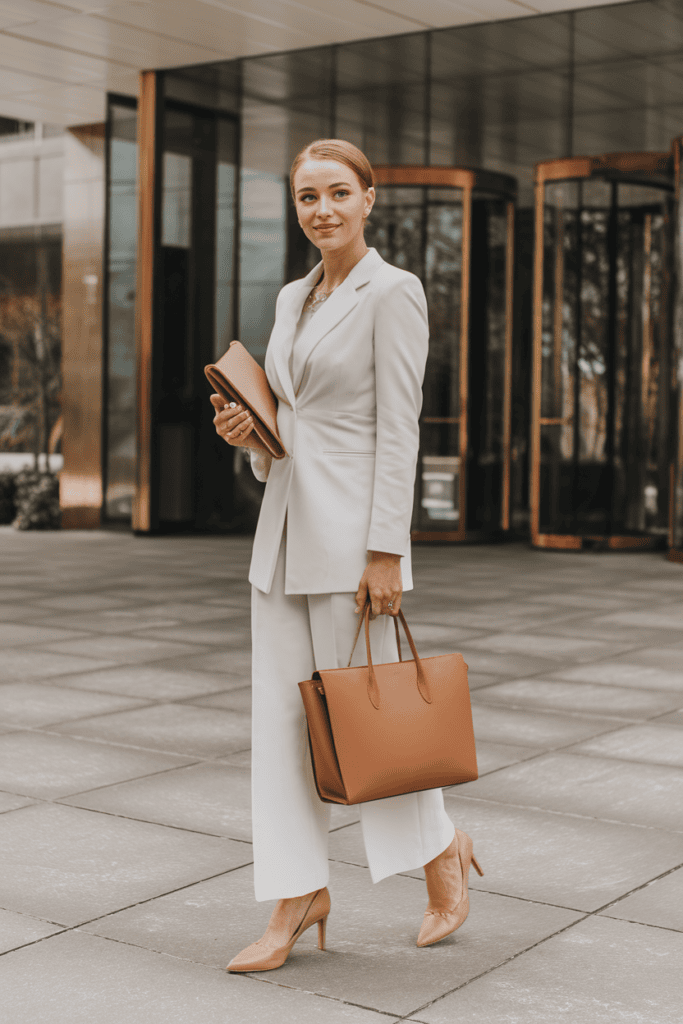
Industries like finance, law, and big corporations usually stick with business formal. Here, you want a tailored suit in a neutral color—think black, navy, or gray. Pair it with a blazer and matching pants or skirt.
Go for a conservative blouse or button-up underneath, and keep jewelry and makeup simple. Closed-toe shoes like low heels or flats work best. Your hair should look tidy.
This dress code shows you take the role seriously and that you respect company traditions. Avoid bright colors, flashy patterns, or casual extras here.
Business Casual: The Modern Office Standard
Lots of offices expect business casual for interviews now. You can skip the full suit but still need to look professional. Dress pants or a knee-length skirt with a blouse or simple top is a good start.
A blazer is optional but can pull things together. Fabrics like cotton or polyester blends look polished but don’t feel stuffy.
Flats or modest heels are fine—just skip sandals and sneakers. Keep things neat and approachable, steering clear of anything too flashy or super casual.
Creative and Startup Environments
Startups and creative fields tend to be more relaxed. Here, you can show a bit of personality while keeping it neat. Smart casual works: nice jeans or trousers with a clean top or a stylish blouse.
Don’t wear anything torn or faded. Layer with a cardigan or a casual blazer for a more put-together look. Footwear can be flexible—closed-toe shoes like loafers or boots usually work.
Even if the vibe’s casual, skip activewear or anything too trendy. You want to show you’re excited about the job but still professional enough to make a solid impression.
How to Choose the Right Interview Outfit

Picking the right outfit for a job interview means knowing the company’s vibe, balancing comfort with style, and making sure your clothes fit well. You want to look professional but still feel like yourself, ready for anything the day throws at you.
Researching the Company and Industry
Start by checking out the company’s website and socials to get a sense of their dress code. Is it formal, like in finance or law? Or more casual, like in tech or creative fields? This helps you match your outfit to their style without overdoing it.
Look for employee photos or event pics to see what people usually wear. If you know someone who works there, ask about the dress code. A neat blazer and slacks work for business roles, while smart casual might be better for startups.
Comfort Versus Style
Your interview clothes should look sharp and feel good. If you’re uncomfortable, it’ll show and distract you. Go for fabrics that breathe and fit your body right—nothing too tight or stiff.
Stick with classic pieces like fitted blazers, simple blouses, and tailored pants or skirts. These look polished without being over the top. It’s fine to add a bit of your own style with a color or accessory, as long as it fits the occasion.
Planning and Testing Your Outfit
Pick out your full outfit a few days before the interview. That way, you have time to wash, iron, or tweak anything that needs fixing. Try everything on to check the fit, comfort, and how it looks when you sit or walk.
Wear the shoes you plan to use and make sure they’re comfortable and quiet. Avoid anything brand new that could give you blisters. Keep accessories simple and distraction-free. Having your outfit sorted ahead of time means one less thing to stress about on interview day.
Essential Pieces for a Polished Interview Look
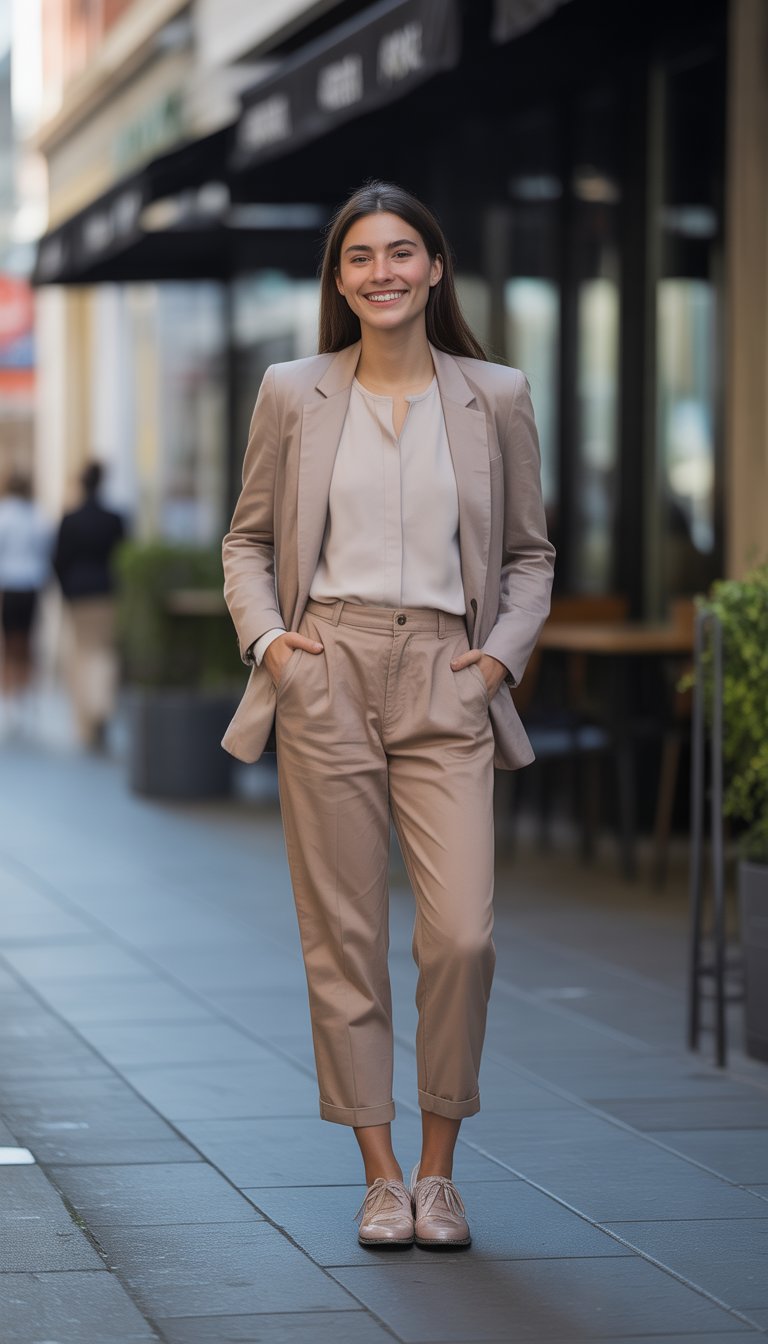
The right clothes help you look confident and professional. Focus on wardrobe staples that fit well and match the job’s dress code. Simple colors and clean lines usually work best for a sharp, neat appearance.
Tailored Blazer: The Power Staple
A tailored blazer is a must-have for interview attire. It sharpens your look and shows you mean business. Choose a blazer that fits your shoulders and nips in a bit at the waist.
Neutral colors like black, navy, or gray go with almost anything. Look for good fabric that keeps its shape. Pair it with trousers or a skirt for a strong, put-together outfit.
Classic Button-Up Shirt or Blouse
A button-up shirt or blouse is key under your blazer. Pick a fabric that doesn’t wrinkle easily, like a cotton blend or silk. White, light blue, or soft pastels are safe bets for a professional look.
Make sure your shirt fits—not too tight or baggy. Skip bright colors or big patterns; you want the focus on you, not your clothes.
Wide-Leg and Tapered Trousers
Wide-leg and tapered trousers are both great options for interview pants. Wide-legs feel modern and comfy, while tapered ones give you that crisp, classic look.
Stick to solid, neutral colors like black, navy, or beige so they match easily. Make sure the length hits the top of your shoes. Avoid anything too tight or too loose for the best impression.
Choosing a Professional Dress or Skirt
If you prefer a dress or skirt, keep it simple and professional. A knee-length skirt or a sheath dress is usually a safe choice. Clean lines work best—avoid anything too short or flashy.
Muted or neutral colors keep things formal. Pair your dress or skirt with a blazer or cardigan for a polished finish. Loud patterns or too many accessories can distract, so keep it simple.
Finishing Touches: Colors, Shoes, and Accessories
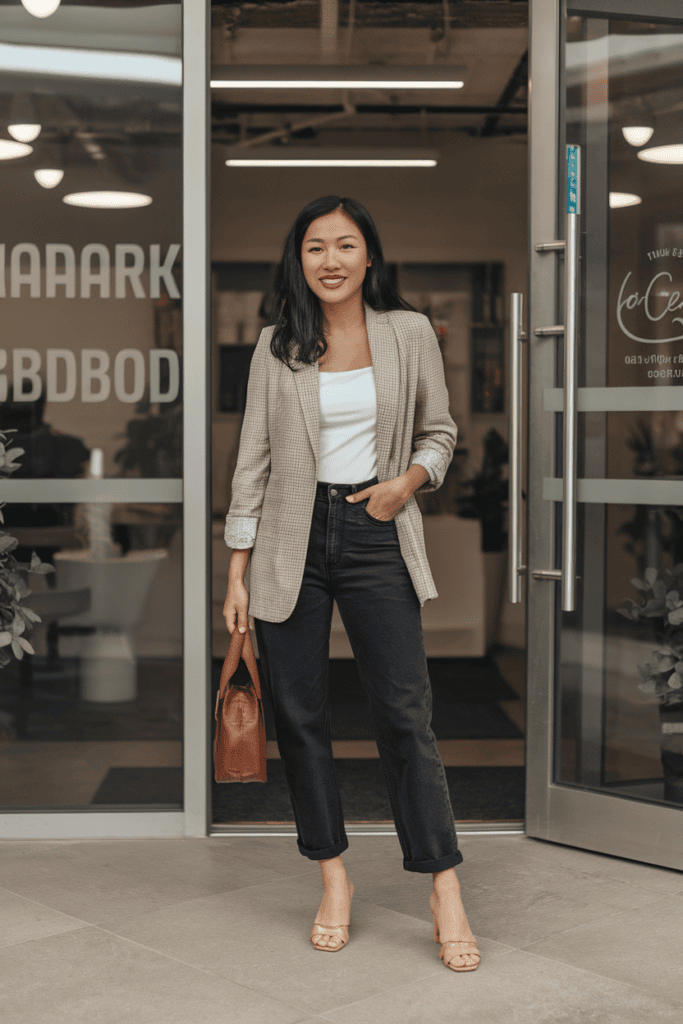
Your choices in colors, shoes, and accessories can make a surprising difference in your interview outfit. The right tones and items help you look polished and professional without stealing the spotlight from your skills.
Small details—like your shoes and bag—say a lot about your attention to detail. Sometimes, it’s the finishing touches that really pull everything together.
Neutral Colors and Professional Palettes
Stick to neutral colors like navy, black, gray, and beige for your main pieces. These shades feel calm and confident—exactly the vibe you want for an interview.
Navy blue, in particular, gives off trust and competence without being too in-your-face. You can add small pops of color with your blouse or accessories, but keep bright or flashy colors to a minimum.
Soft pastels or muted shades like blush pink or light blue usually work. Overly dark or neon colors? Better to steer clear, since they can distract or come off as too casual.
Footwear: From Pumps to Flats
Your shoes should be clean, comfortable, and professional. Classic pumps in black, navy, or nude are always a safe bet.
Pick a heel height you can actually walk in, and try to avoid noisy shoes on hard floors. Flats are totally fine if pumps aren’t your thing.
Look for pointed-toe flats or simple ballet styles that look polished, not like you’re heading to brunch. Sandals, sneakers, or anything too trendy? Probably not the best move for an interview.
Accessories to Complete Your Look
Keep accessories minimal so they don’t steal the show. Simple stud earrings or small hoops usually do the trick.
A delicate necklace or a slim watch adds a bit of polish without taking over. Skip big, clunky jewelry or anything that jingles.
Strong perfumes or overpowering scents can be distracting, so go easy there. Accessories should support your professional look, not compete with it.
Bag and Portfolio Choices
Go for a structured bag or a professional-looking portfolio for your documents. A medium-sized handbag, tote, or briefcase in a neutral color works well.
Make sure there’s enough room for your resume, notebook, and whatever else you need. Avoid backpacks or casual bags—they tend to look too laid-back for an interview.
Your bag should add to your confident, prepared image, not look bulky or messy. It’s a small detail, but it matters.
Personal Grooming and Presentation Tips
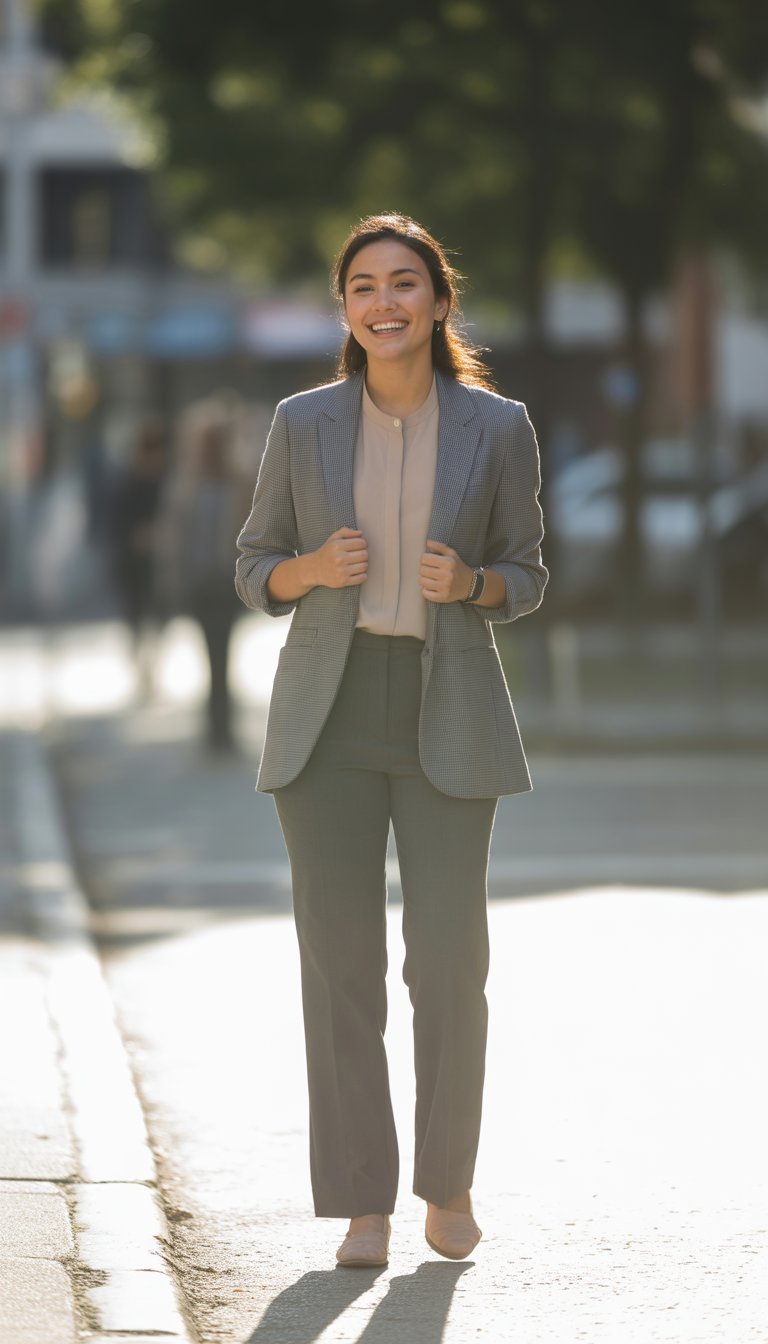
Your grooming says a lot during an interview. Paying attention to details like your nails, hair, and scent shows you care about professionalism.
These choices support your outfit and honestly, they help you feel more confident walking in.
Nail Care and Subtle Makeup
Keep your nails clean and trimmed. Neutral tones like beige, light pink, or clear polish usually work best.
Messy or flashy nails can distract, so tidy is the way to go. For makeup, less is more—think light foundation or tinted moisturizer, subtle eye makeup, and a natural lip color.
Heavy eyeliner, bright lipstick, or anything overdone tends to pull focus. The goal? Just enhance your features, nothing wild.
Hair Styling for Interviews
Style your hair in a simple, neat way. Whether your hair’s short or long, keep it clean and avoid a messy look.
A low bun, ponytail, or sleek straight hair usually works well. These styles keep your face visible and help you look polished.
Big, dramatic hairstyles or too much product can be distracting. Before you walk in, do a quick check for stray hairs or flyaways—those little things count.
Scent and Fragrance Considerations
When it comes to fragrance, less really is more. Heavy perfumes or strong scented lotions can be overwhelming.
If you want a scent, pick something mild and clean. Strong smells can distract or even bother interviewers, so go easy.
If you use perfume or deodorant, just a light touch is enough. Don’t reapply right before the interview—you want to keep things fresh but not overpowering.
Common Interview Outfit Mistakes to Avoid

Choosing the right outfit means dodging some surprisingly common mistakes. A lot of people slip up by picking the wrong clothes, dressing too formally or casually, or ignoring how their clothes actually fit and feel.
Paying attention to these details helps you look polished and keeps distractions to a minimum.
Inappropriate Clothing Choices
Wearing clothes that are too casual, like t-shirts or ripped jeans, sends the wrong message. Outfits that are too revealing—think low-cut tops or very short skirts—just don’t fit the professional setting.
Keep accessories minimal; noisy bracelets or big earrings can pull attention away from what you’re saying. Stick to neutral colors and classic styles that fit the company’s dress code.
Overdressing and Underdressing
Dressing too fancy, like showing up in a full suit for a job with a casual dress code, might make you seem out of touch. On the other hand, wearing something too casual in a formal setting can make you look unprepared.
Research the company culture so you know what’s expected. If you’re unsure, it’s usually safer to be a bit overdressed than underdressed. A blazer with tailored pants works in a lot of office settings without going overboard.
Ignoring Fit and Comfort
Even the sharpest outfit falls flat if it doesn’t fit right. Clothes that squeeze too much or hang off you can leave you feeling awkward and distracted during an interview.
Pick pieces that let you move around and sit without fuss. Double-check that your shoes aren’t pinching or making you dread every step.
When your outfit actually fits, you’re free to focus on the conversation instead of fussing with your clothes. Confidence comes a lot easier when you’re comfortable, doesn’t it?
Related Posts:
- 55 Magical and Practical Disneyland Outfit Ideas for…
- 43 Baller Sneaker Ball Outfit Ideas to Rock Your…
- What To Wear For A Professional Headshot? 17 Great…
- What To Wear For Women Over 40: The Ultimate Guide…
- 39 Cute Hiking Outfits For Your Outdoors Adventures…
- 47 Combat Boots Outfit Ideas For Fun Street Style…